Peptide Guides & Articles
Evidence-informed guides on peptides — dosage, benefits, side effects, and comparisons.
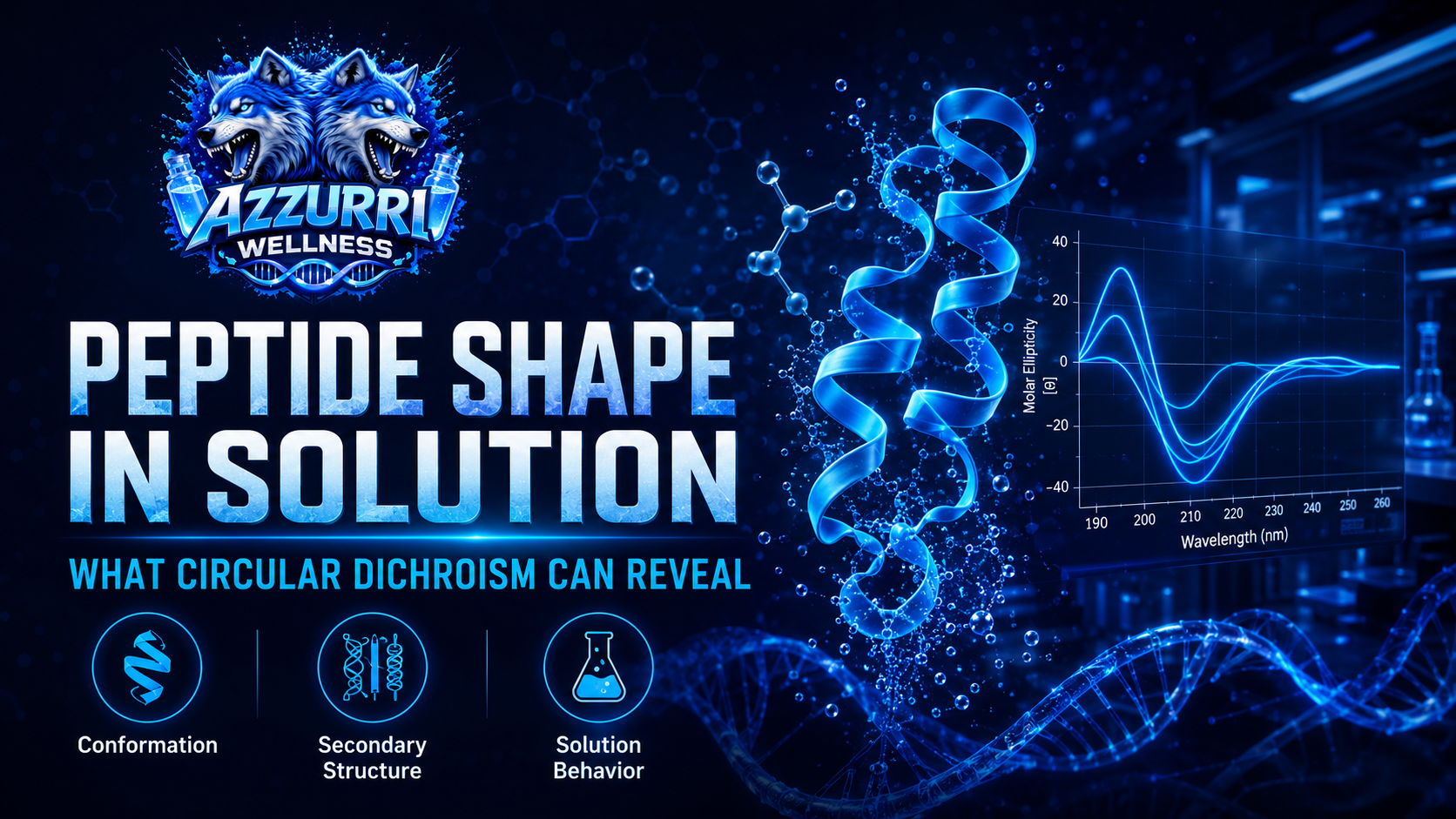
Peptide Shape in Solution: What Circular Dichroism Can Reveal
Circular dichroism can offer a useful view of peptide conformation in solution, but the spectrum is meaningful only when the conditions and analysis method …
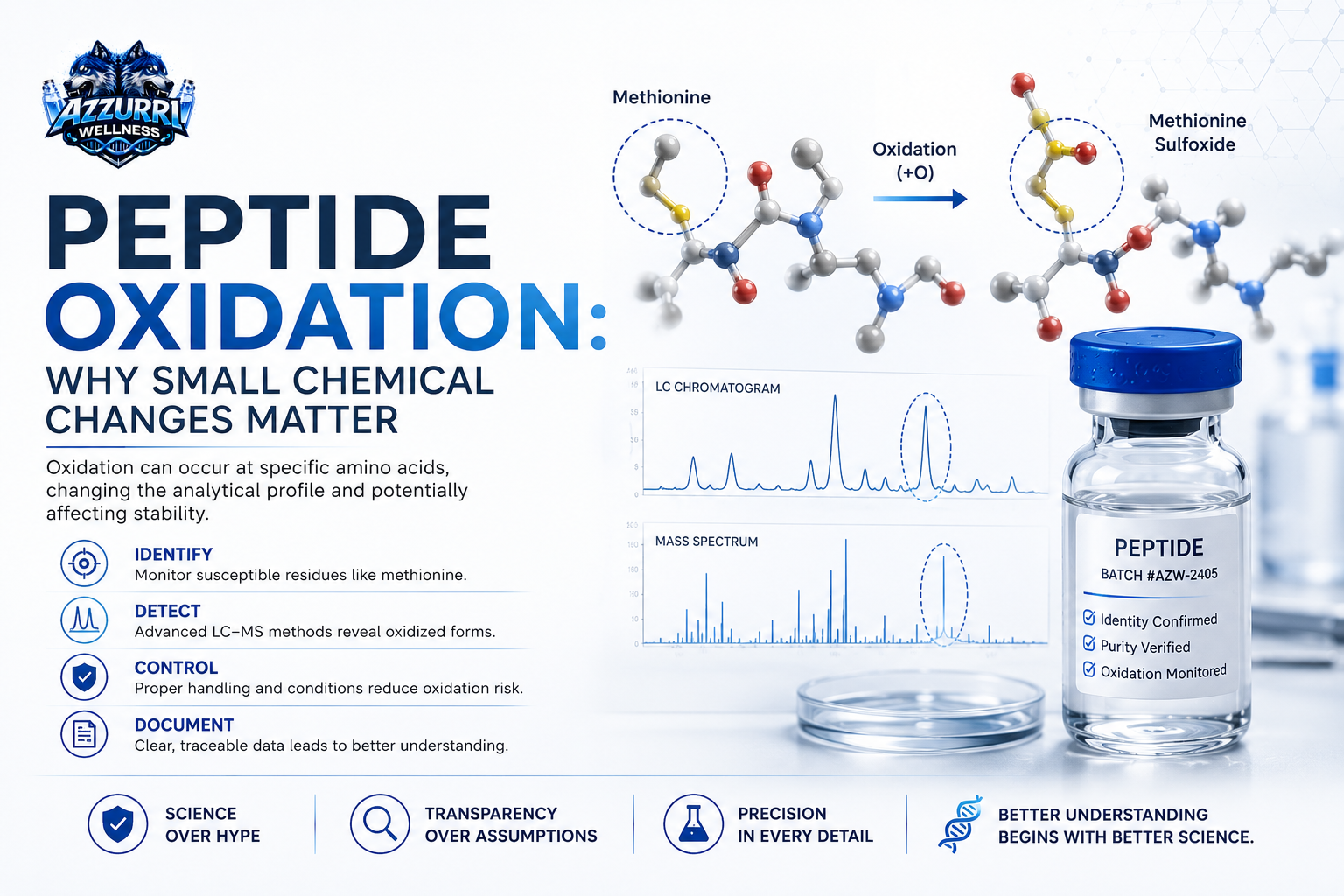
Peptide Oxidation: Why Small Chemical Changes Matter
Peptide oxidation is a reminder that molecular quality cannot be reduced to one headline number. Meaningful interpretation depends on the sequence, the conditions, the …
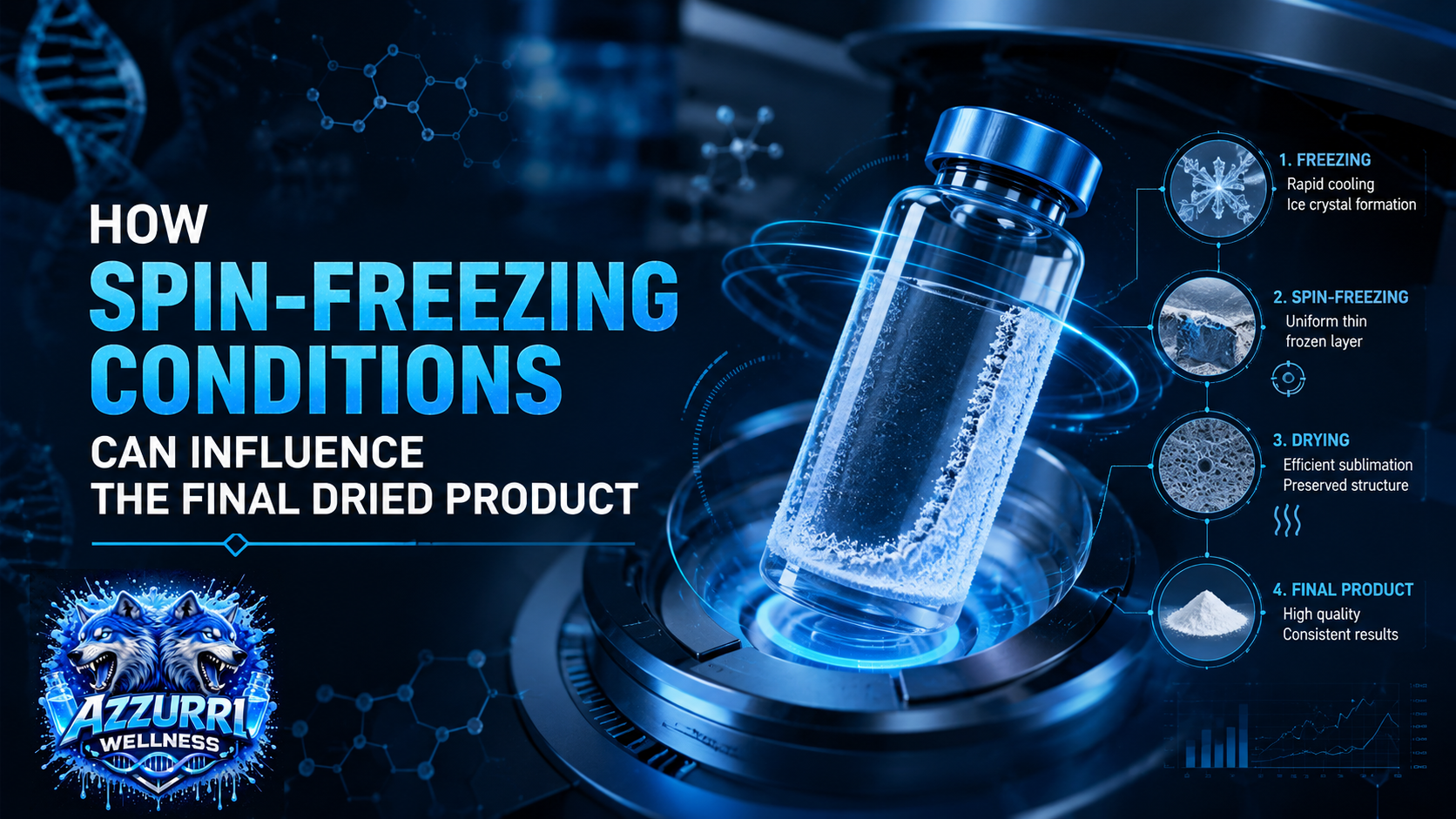
How Spin-Freezing Conditions Can Influence the Final Dried Product
Process optimization is not simply about achieving the shortest drying time. The objective is to identify conditions that provide repeatable performance while maintaining the …
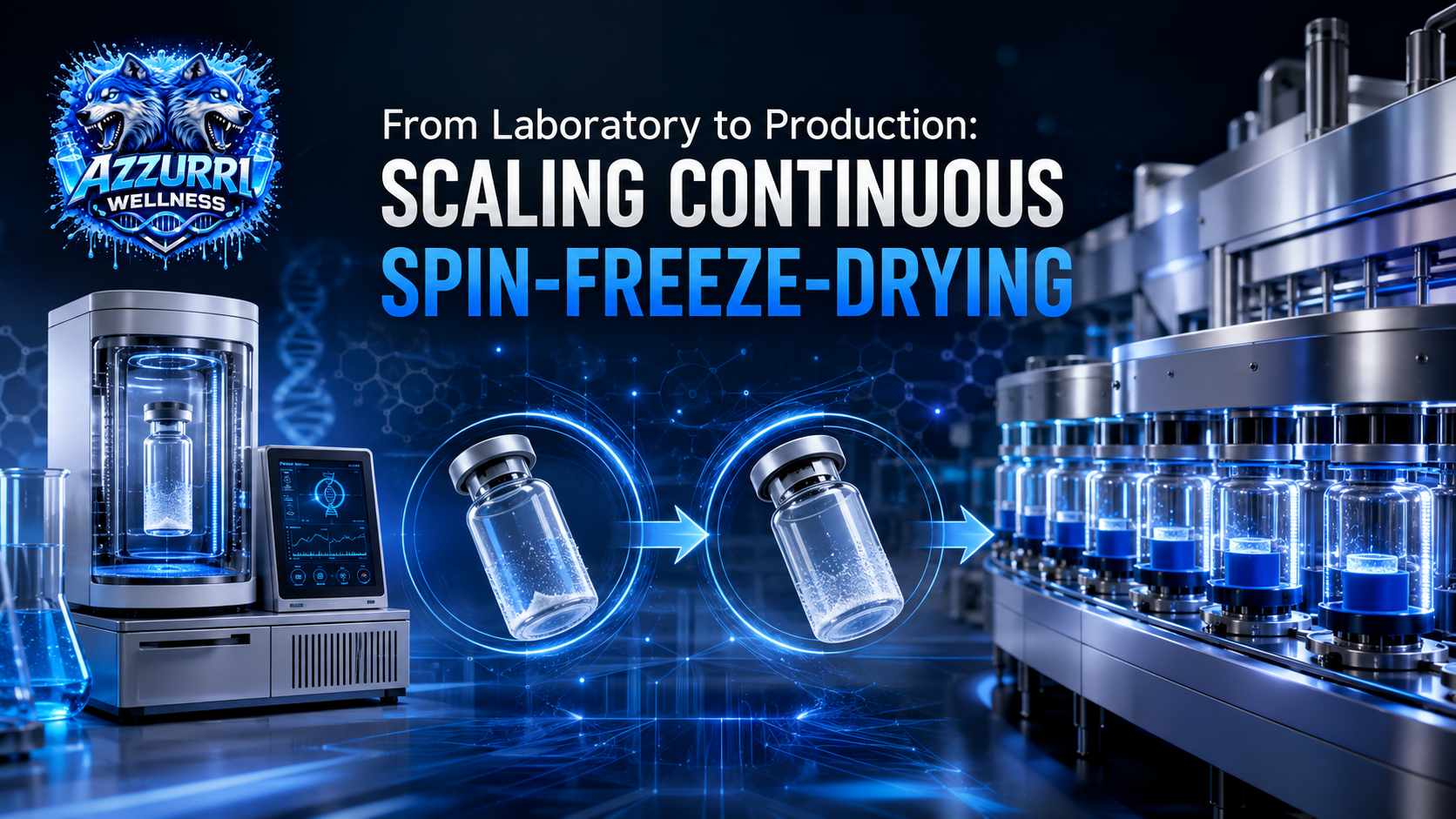
From Laboratory to Production: Scaling Continuous Spin-Freeze-Drying
A successful laboratory process is only an early step. Larger-scale manufacturing also requires reproducibility, equipment control, documented operating conditions and consistent monitoring. Scale-out studies …
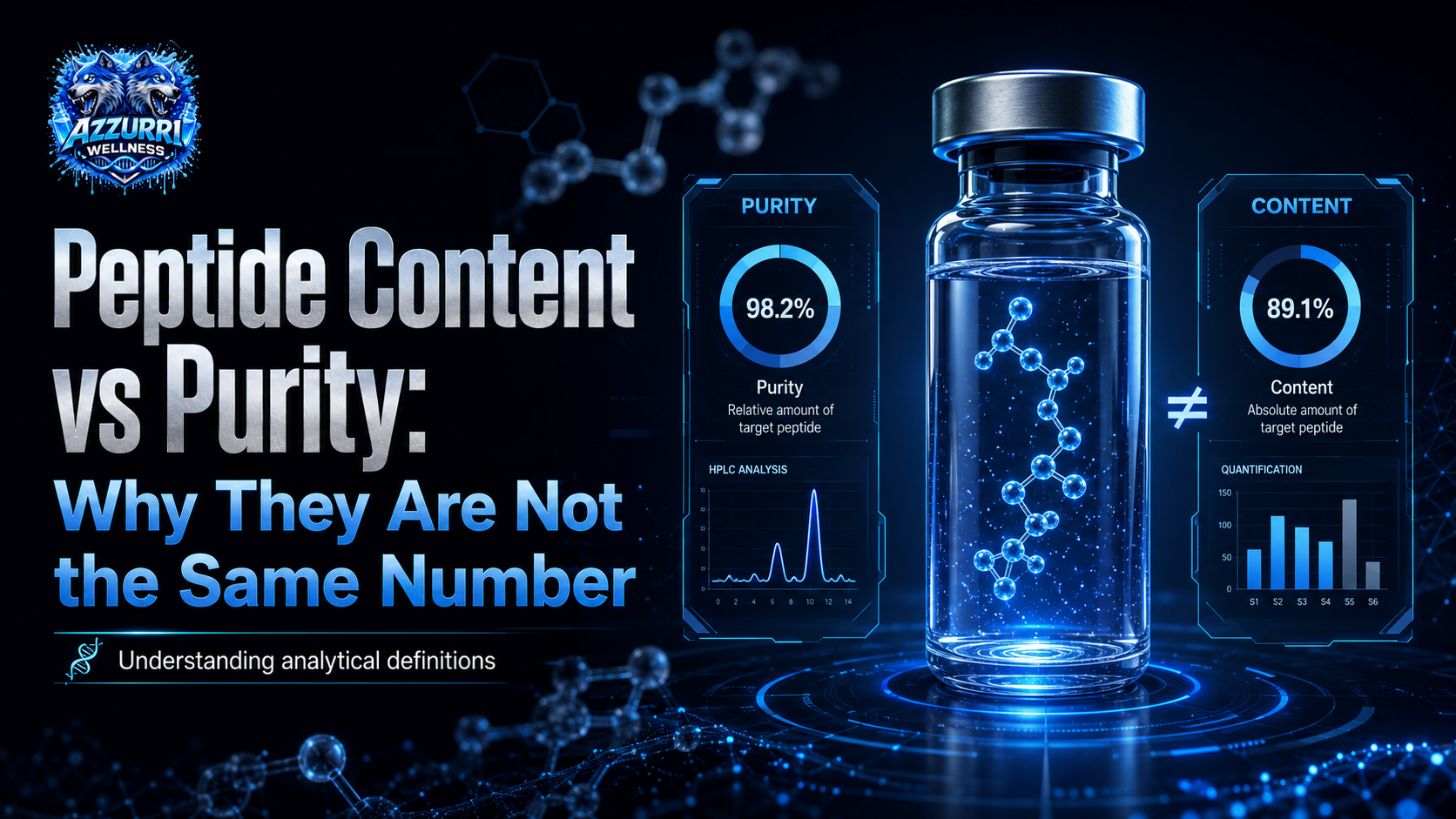
Peptide Content vs Purity: Why They Are Not the Same Number
At Azzurri Wellness, transparency means presenting analytical values with enough context to be interpreted correctly. Purity, identity, and content each contribute different information to …
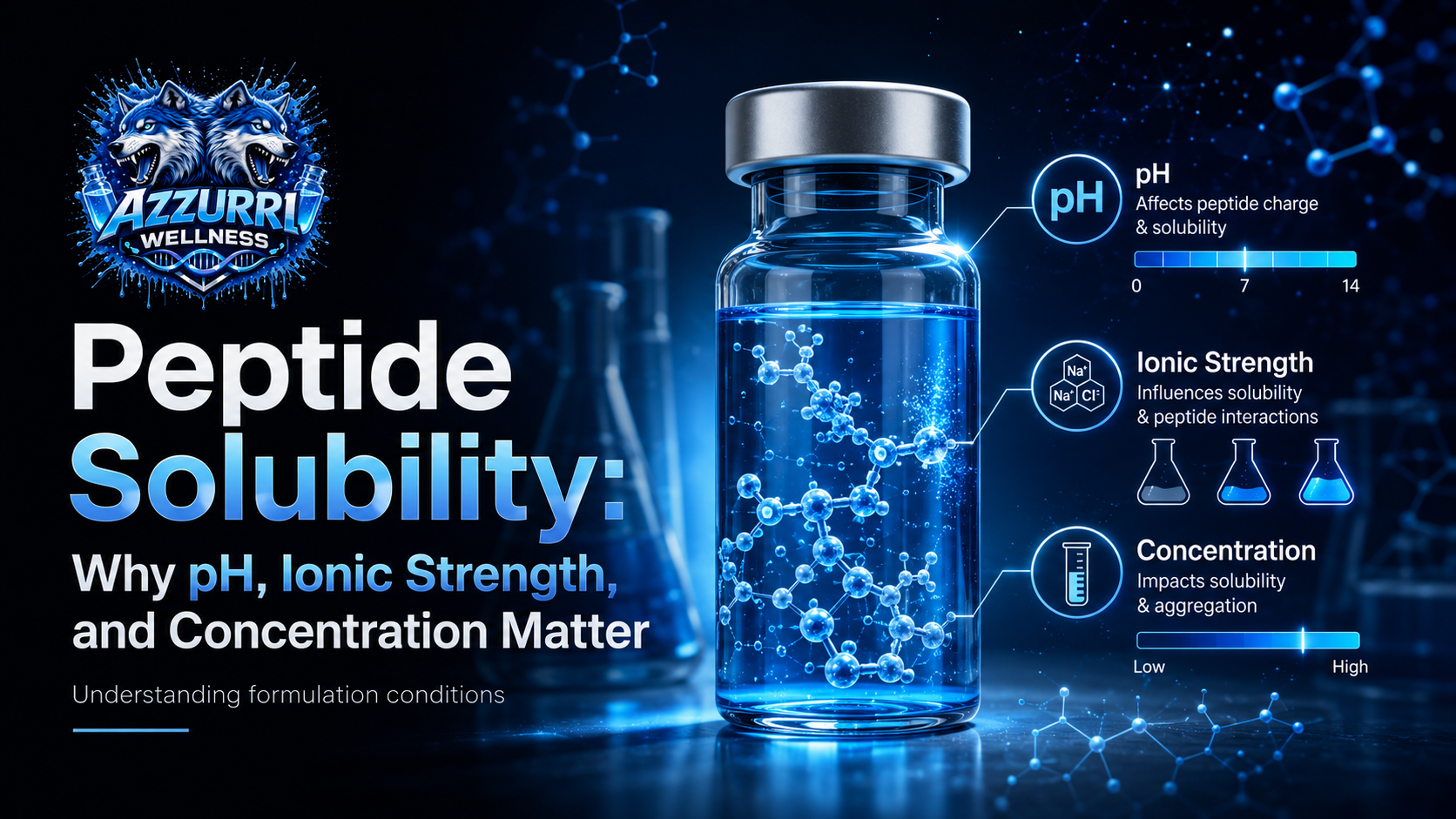
Peptide Solubility: Why pH, Ionic Strength, and Concentration Matter
At Azzurri Wellness, scientific information should include the conditions behind the result. Clear formulation details help readers understand what was actually observed and avoid …
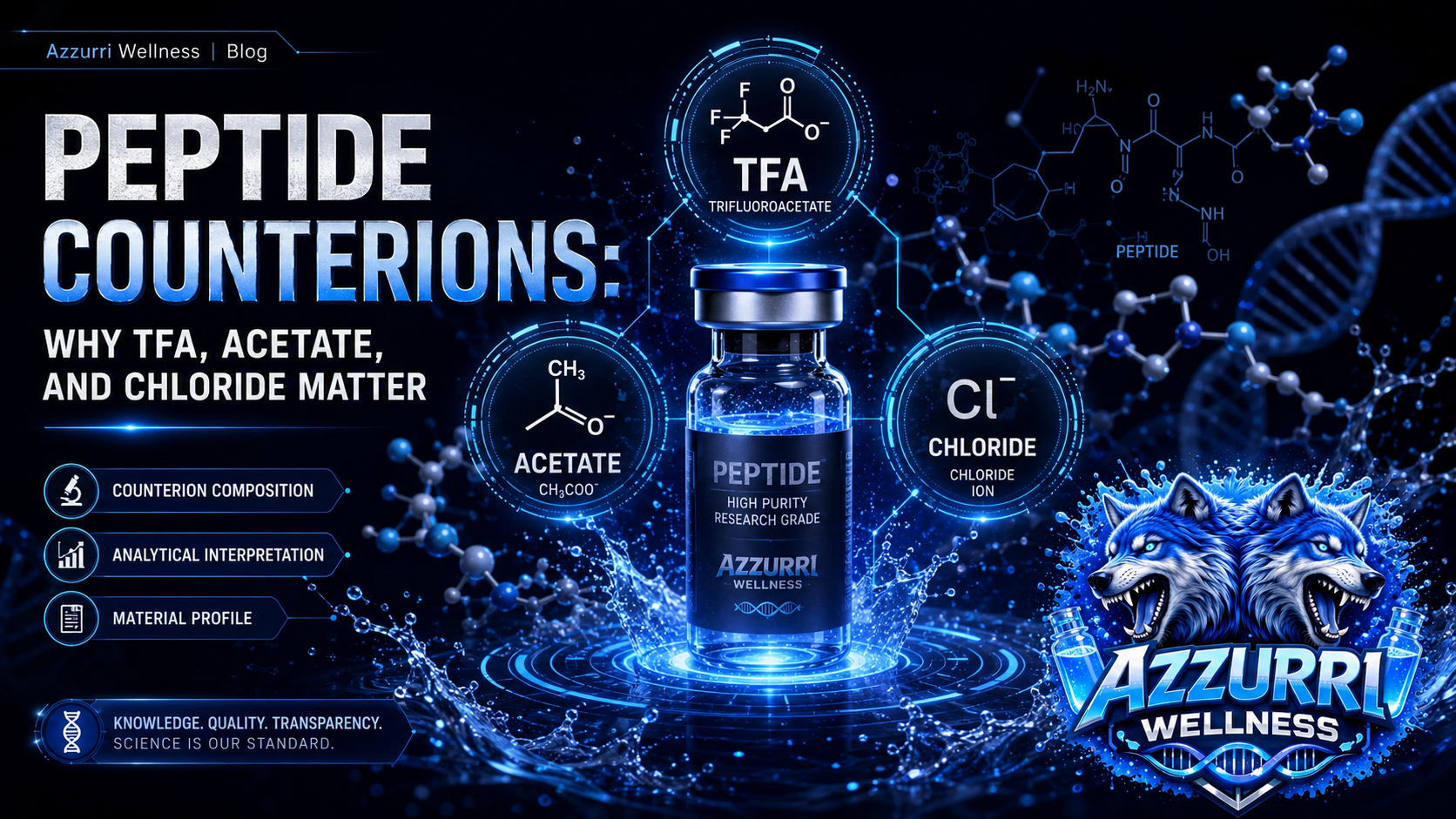
Peptide Counterions: Why TFA, Acetate, and Chloride Matter
TFA, acetate, and chloride are common counterions associated with synthetic peptides. Their quantity can depend on peptide sequence and processing conditions, and they may …
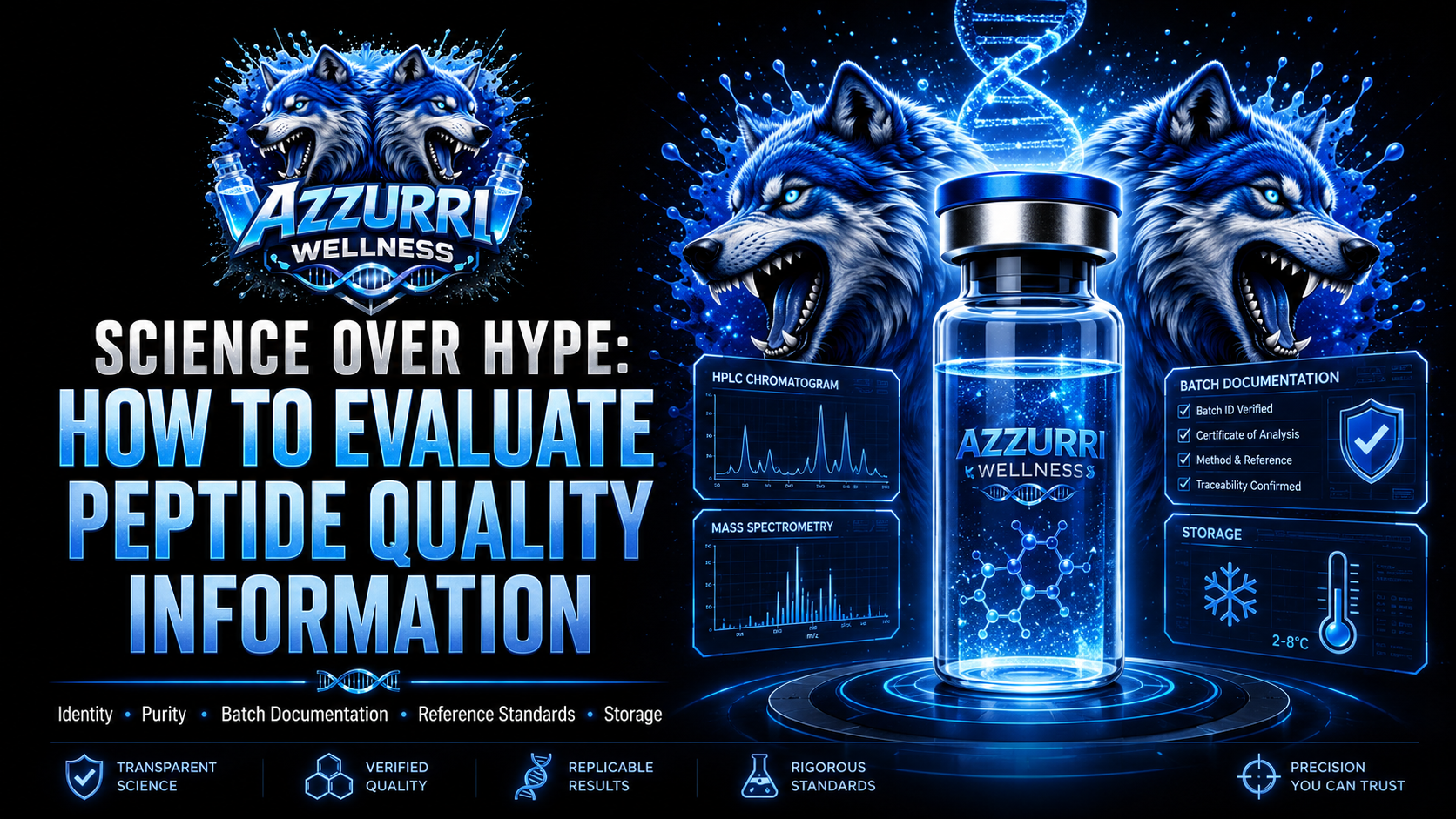
Science Over Hype: How to Evaluate Peptide Quality Information
Peptide quality cannot be established through branding, appearance, or one laboratory figure alone. Reliable evaluation combines appropriate identity testing, impurity analysis, quantitative measurements, suitable …
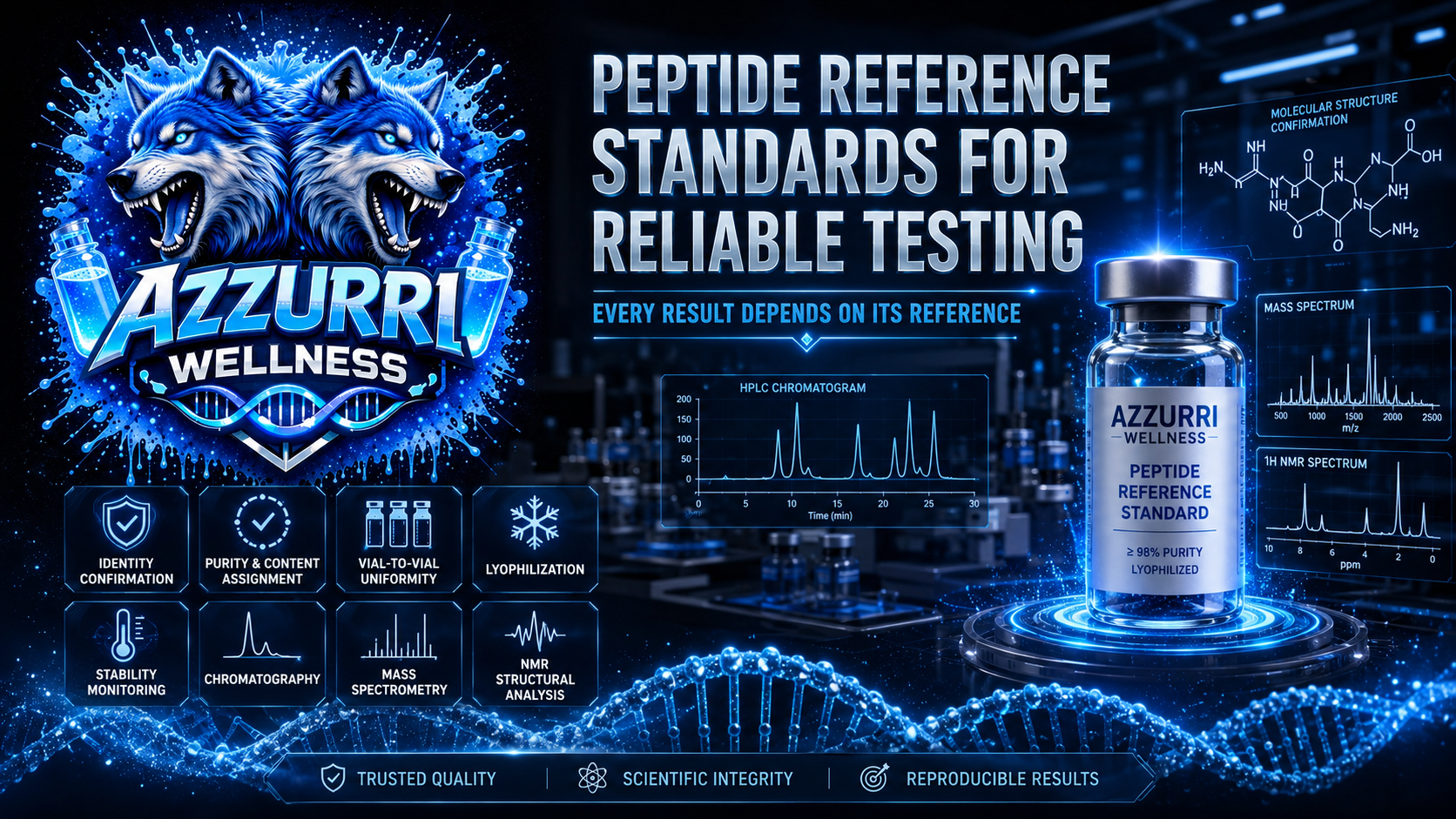
Peptide Reference Standards for Reliable Testing
Reliable laboratory documentation should connect every result to: A defined reference material A suitable analytical method A traceable assigned value Confirmed storage and stability …