Peptide Guides & Articles
Evidence-informed guides on peptides — dosage, benefits, side effects, and comparisons.
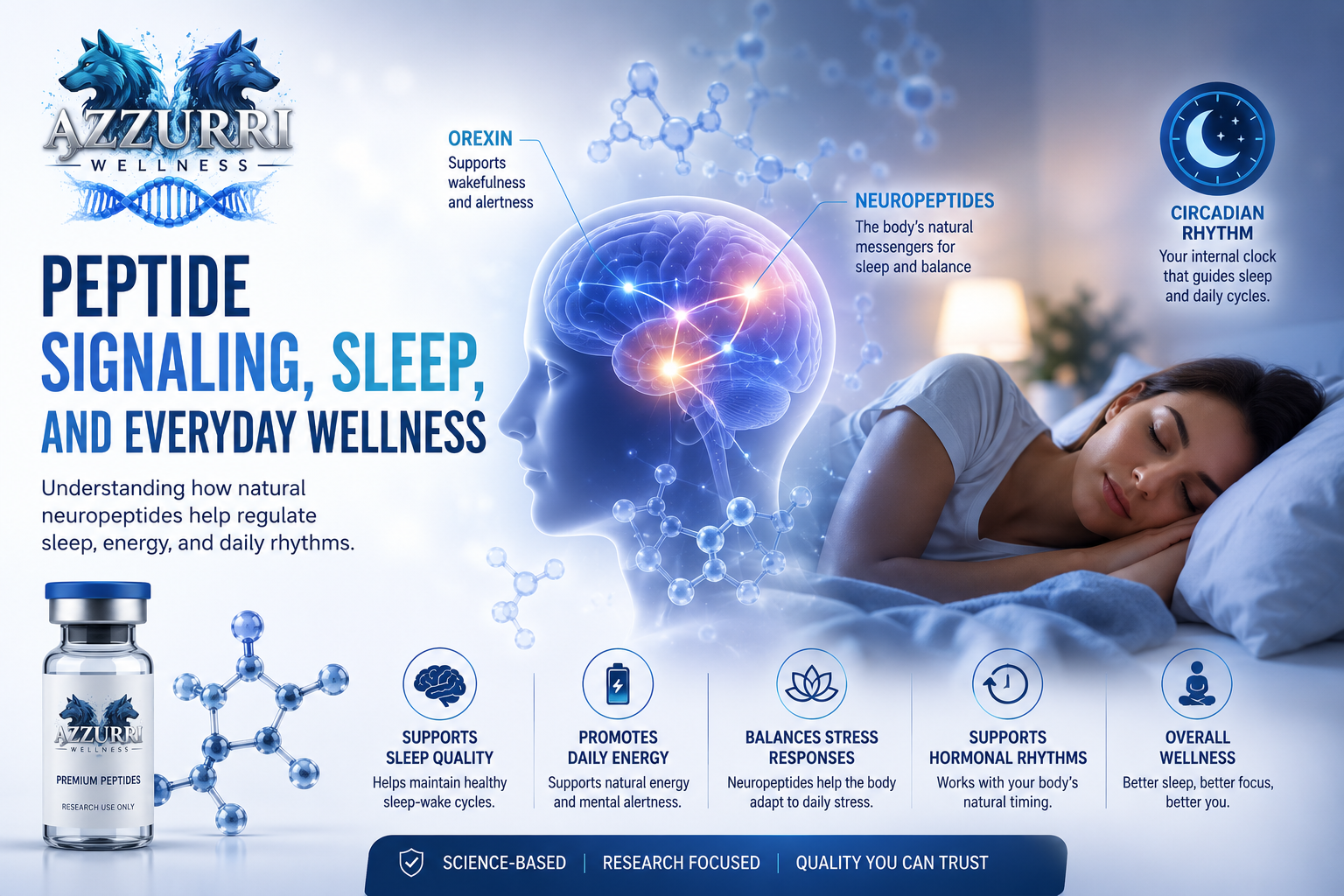
Peptide Signaling, Sleep, and Everyday Wellness
Natural neuropeptides play an important role in the communication systems that regulate sleep, wakefulness, energy, and daily behavior. Orexin is especially important for stable …

What Is Thymosin Alpha-1? The Immune Peptide Explained
Thymosin alpha-1 is a well-studied thymic peptide linked with several immune-signaling pathways. Research has examined its interactions with T cells, dendritic cells, macrophages, and …

: Humanin and Longevity: Understanding the Evidence
Humanin provides an important example of how mitochondria may communicate with the rest of the body through small signaling peptides. Research connects humanin with …
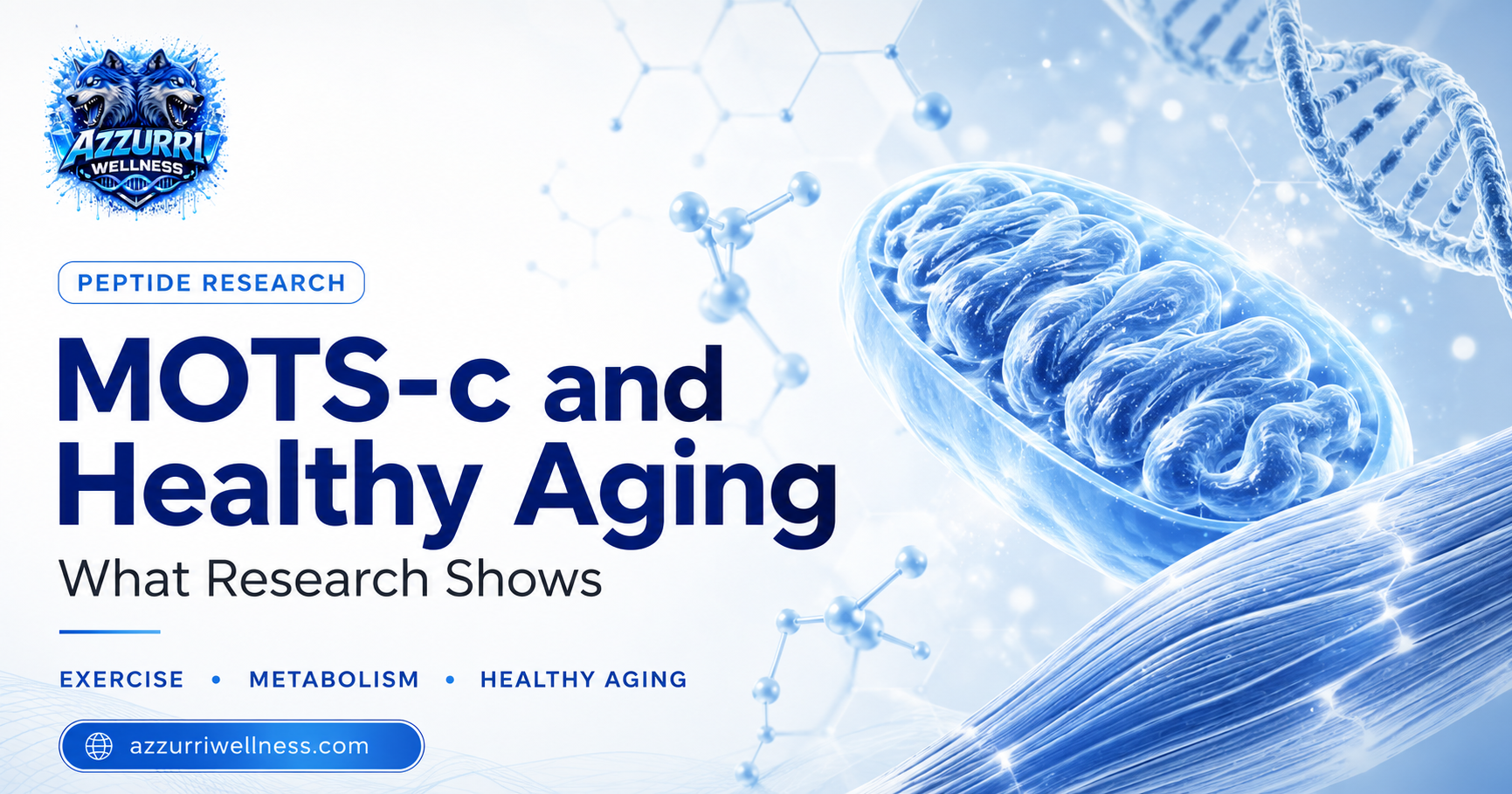
What Is MOTS-c? The Mitochondrial Peptide Explained
MOTS-c is scientifically interesting because it may connect mitochondrial signaling, exercise adaptation, cellular stress responses, and skeletal-muscle metabolism. Animal research suggests possible effects on …
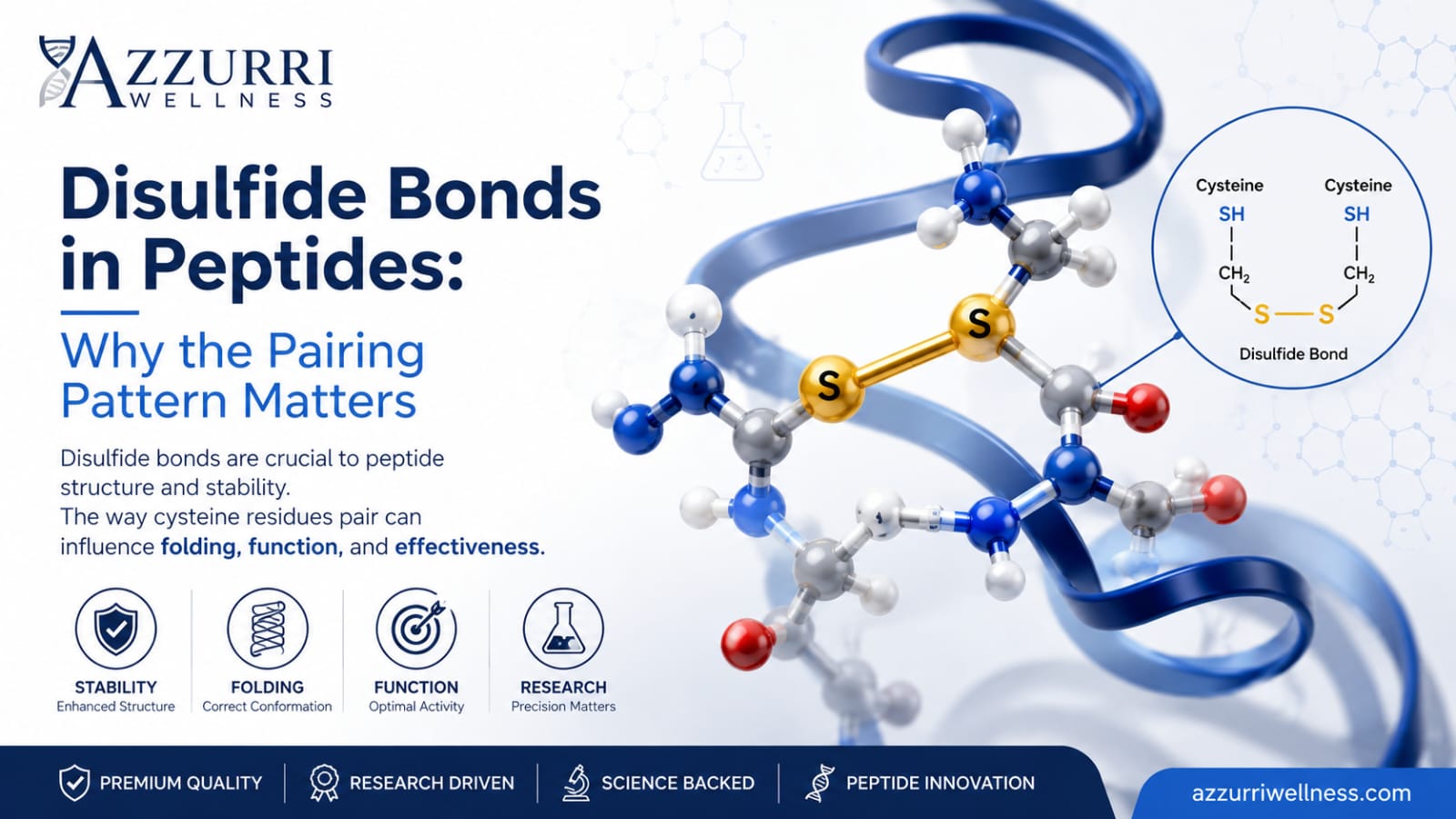
Disulfide Bonds in Peptides: Why the Pairing Pattern Matters
Disulfide bonds can contribute to peptide structure, but correct characterization requires more than counting sulfur-sulfur links. The pairing pattern, folding conditions, and analytical method …
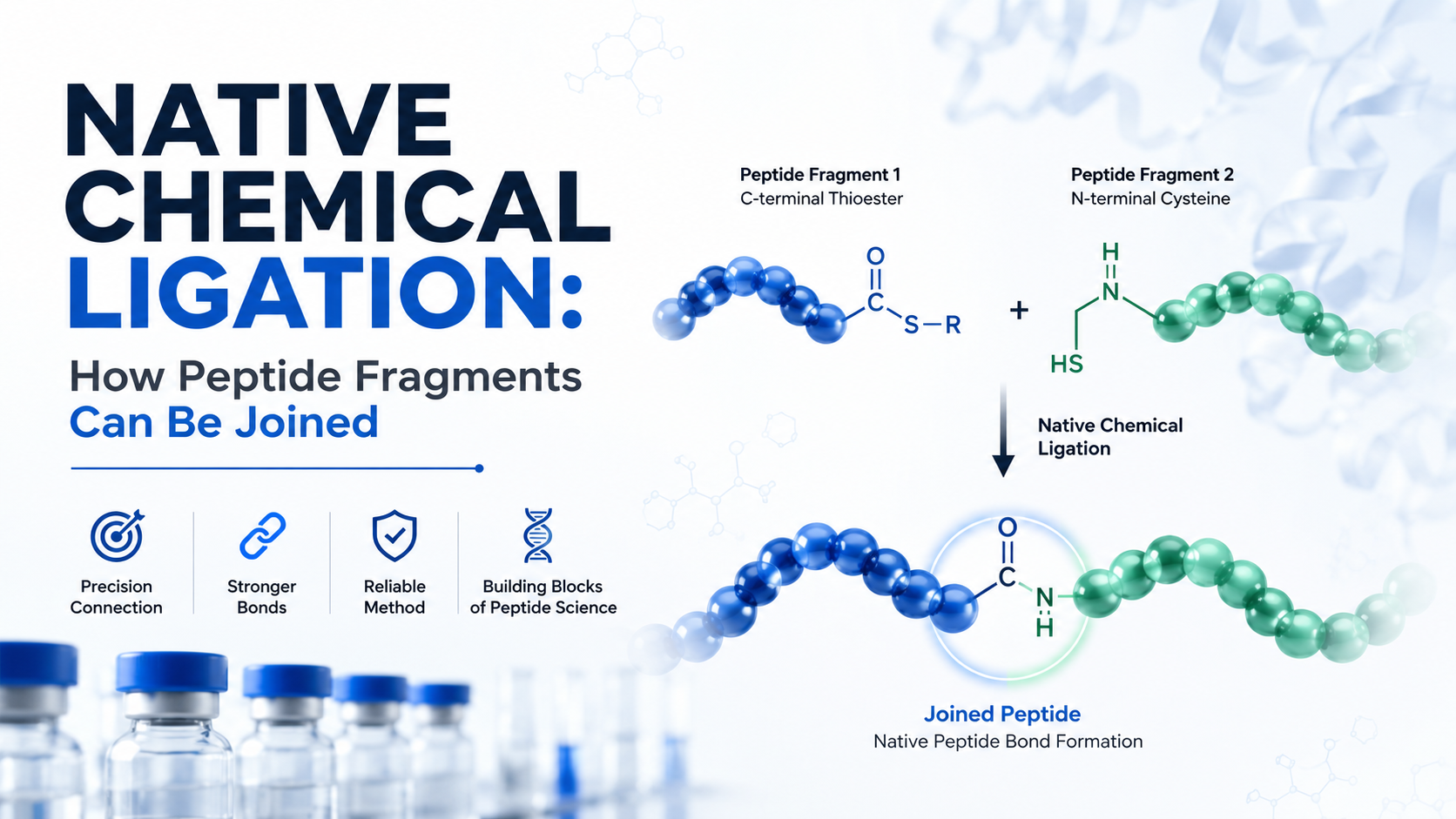
Native Chemical Ligation: How Peptide Fragments Can Be Joined
Native chemical ligation is a fragment-assembly strategy that has expanded what can be prepared through chemical peptide and protein synthesis. Its value comes from …
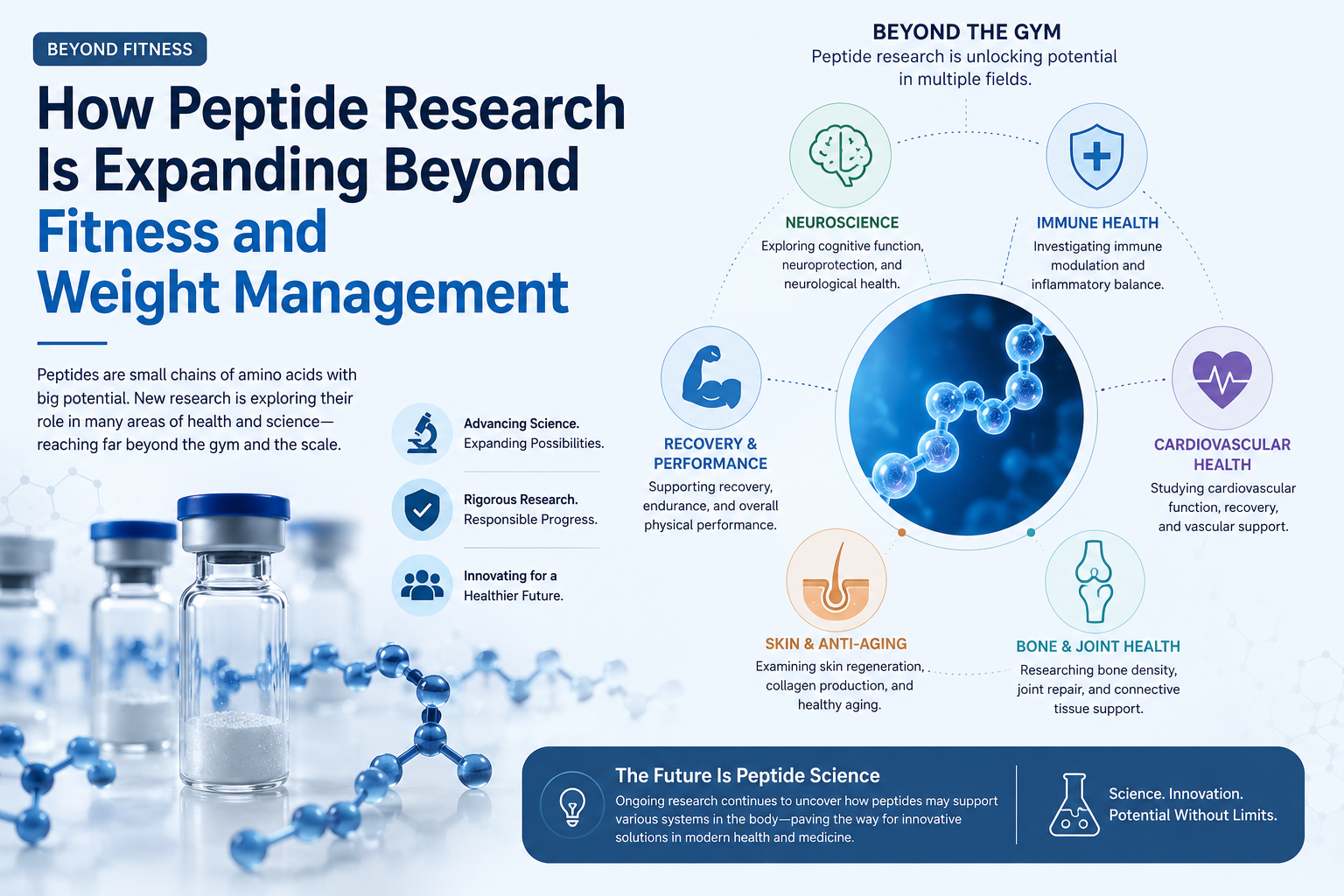
How Peptide Research Is Expanding Beyond Fitness and Weight Management
Peptide science is a rapidly evolving field supported by peer-reviewed research. Investigators continue to examine peptide structure, stability, receptor interactions, analytical testing, and potential …
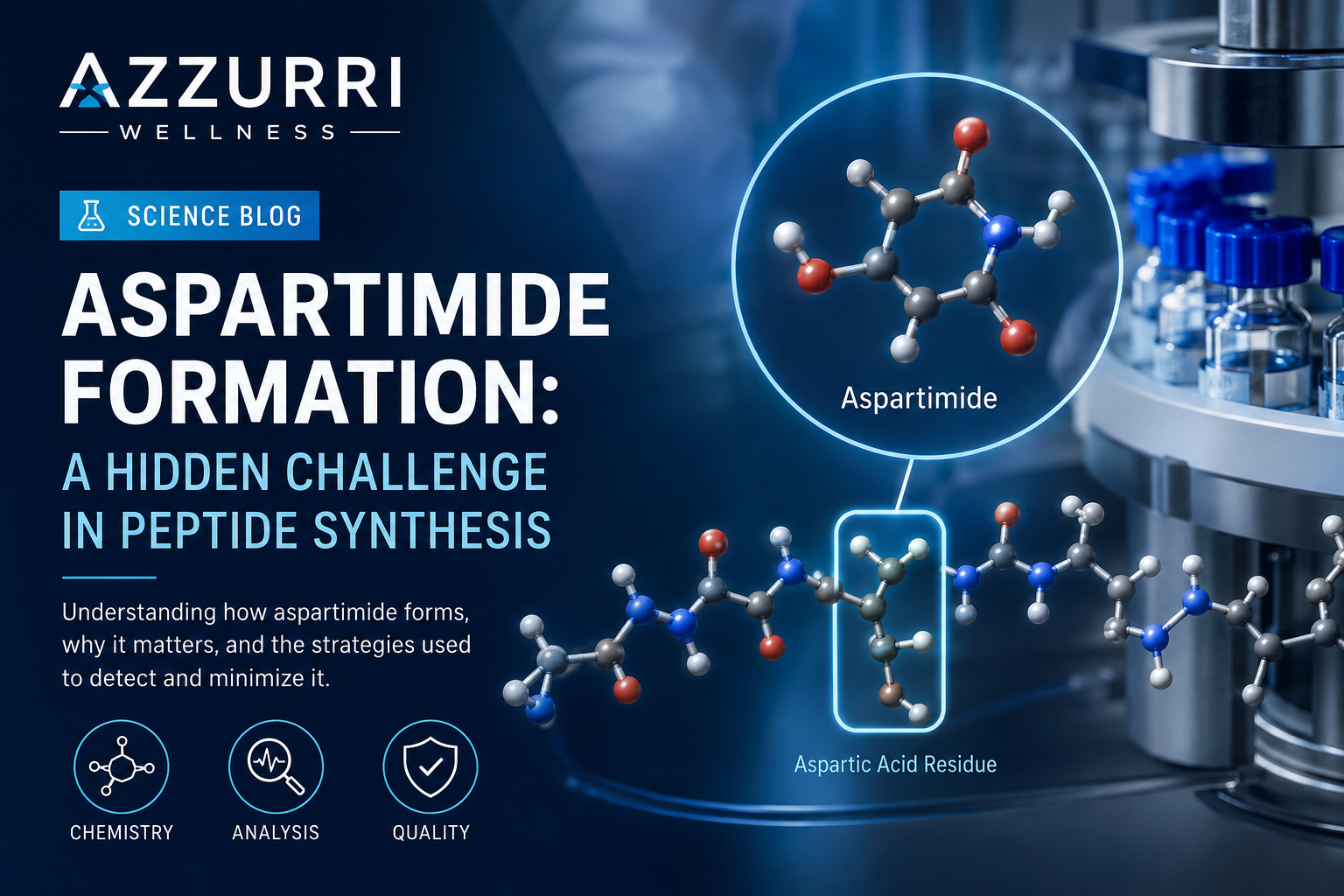
Aspartimide Formation: A Hidden Challenge in Peptide Synthesis
Aspartimide formation shows why peptide characterization requires more than confirming the expected mass. Side reactions can create closely related forms that require suitable separation, …
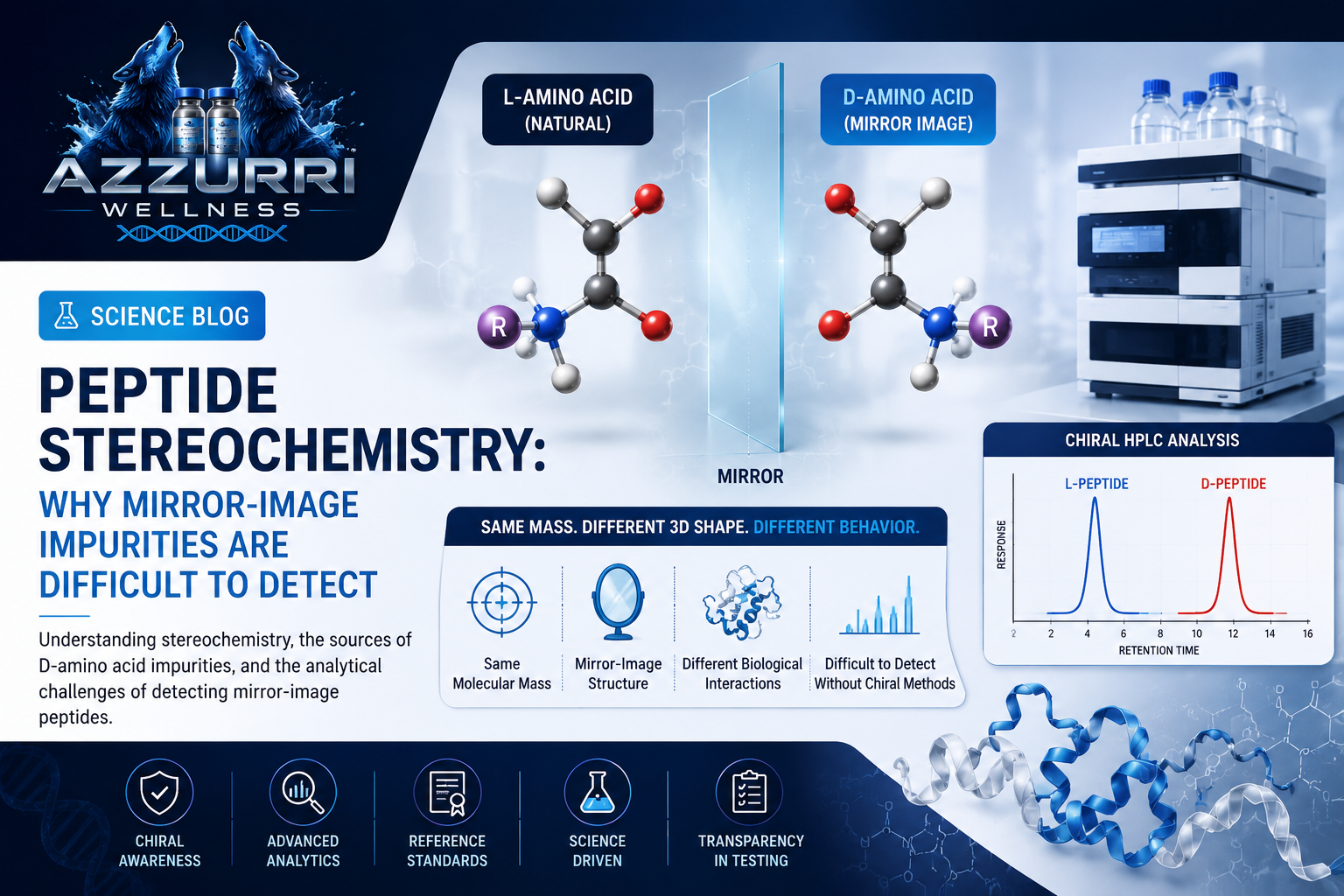
Peptide Stereochemistry: Why Mirror-Image Impurities Are Difficult to Detect
Peptide stereochemistry is a quality attribute that may remain invisible to routine mass measurements. Detecting mirror-image variants requires methods designed specifically for chiral separation …