What Are Electrolytes?
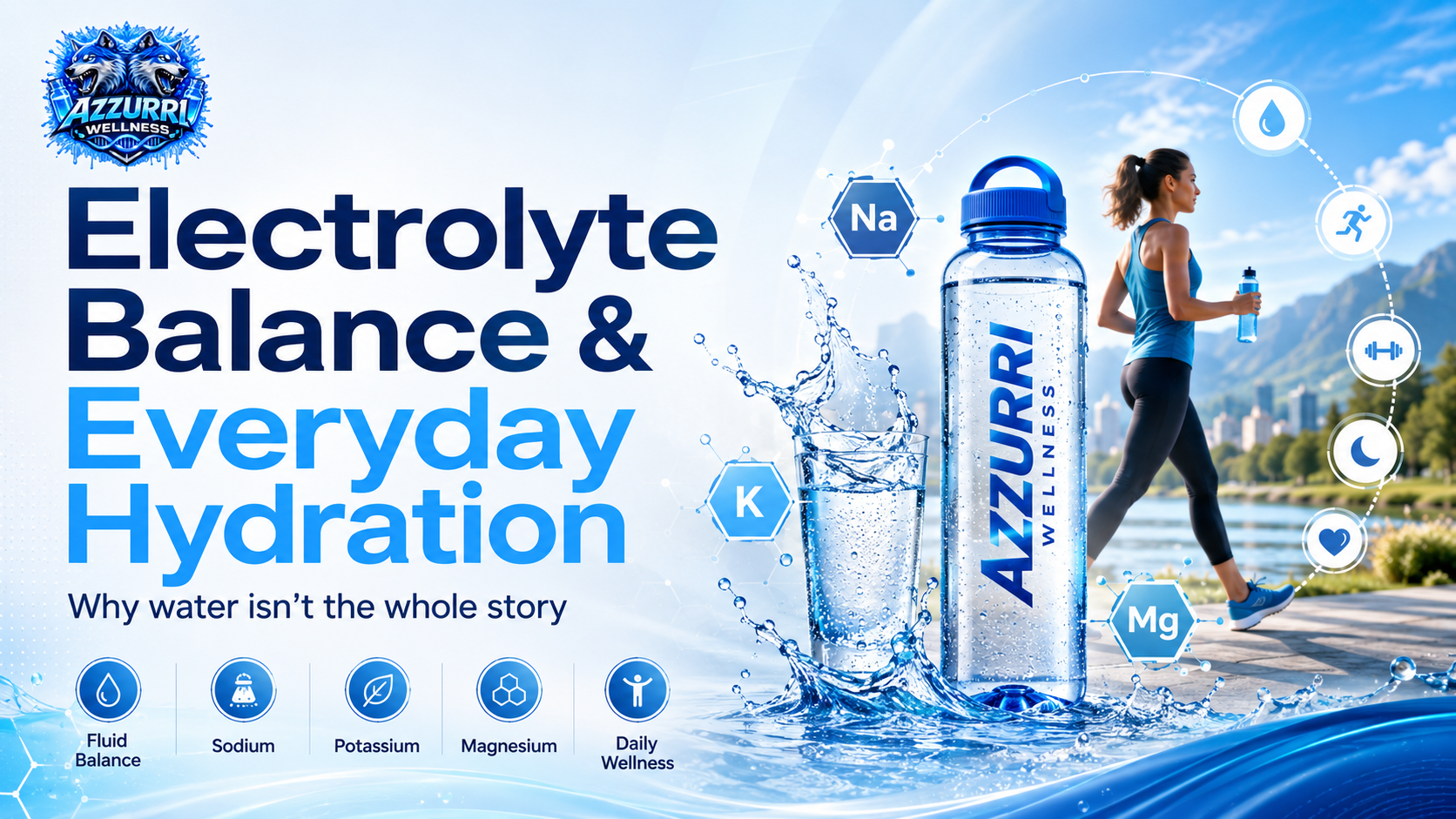
Electrolytes are minerals that carry an electrical charge when dissolved in body fluids.
Some of the best-known electrolytes include:
- Sodium
- Potassium
- Magnesium
- Chloride
- Calcium
These minerals contribute to normal fluid balance and many everyday physiological processes.
Why Sodium Matters
Sodium is one of the main electrolytes lost in sweat.
During longer or more intense activity, especially in warm conditions, both fluid and sodium losses can increase. That is one reason hydration strategies may need to change depending on the situation.
Water Is Still The Foundation
For normal daily routines, water remains the foundation of hydration.
Not every activity requires a specialized electrolyte drink.
Fluid Needs Can Vary Based On
- Activity level
- Environment
- Duration of exercise
- Sweat rate
- Food intake
- Individual habits
The goal is not to make hydration complicated. It is to recognize that different situations can create different needs.
When Electrolytes Become More Relevant
Electrolytes can become more important when fluid losses increase.
Common Situations Include
- Longer exercise sessions
- High-intensity activity
- Hot weather
- Heavy sweating
- Outdoor training
- Back-to-back activity sessions
During endurance activity, both fluid and electrolyte balance become more important as the body's needs change.
Food Is An Important Electrolyte Source
Electrolytes do not have to come from specialized drinks.
A balanced diet can provide many of them naturally.
Everyday Sources May Include
- Bananas and potatoes for potassium
- Dairy foods for calcium
- Nuts and seeds for magnesium
- Vegetables and fruits
- Regular meals containing sodium and chloride
This is why food and hydration should be considered together rather than separately.
More Is Not Always Better
Hydration is about balance, not simply consuming as much fluid as possible.
A better approach is to match fluid intake to activity, environment, and individual needs.
A Practical Approach
- Drink consistently across the day
- Adjust intake around activity
- Consider environmental conditions
- Include balanced meals
- Avoid forcing unnecessary amounts of fluid
Heat Changes The Equation
Warm environments increase the body's reliance on sweating for temperature regulation.
As sweating increases, fluid losses also rise.
Maintaining fluid balance therefore becomes increasingly important during physical activity in warm conditions.
Building A Practical Hydration Routine
A useful hydration routine can stay simple.
Simple Habits To Try
- Start the day with water
- Keep fluids accessible
- Drink around meals
- Adjust for activity and heat
- Include a variety of whole foods
- Pay attention to how much you sweat during longer activities
Consistency is usually more useful than following an overly complicated formula.
Final Thoughts
Electrolyte balance and hydration are two parts of the same everyday wellness picture.
Water remains the foundation, but sodium, potassium, other minerals, food intake, activity, and environmental conditions all influence fluid balance.
Hydrate consistently, eat a balanced diet, and adjust your routine when activity or weather changes the demand.