What Is Dietary Fiber?
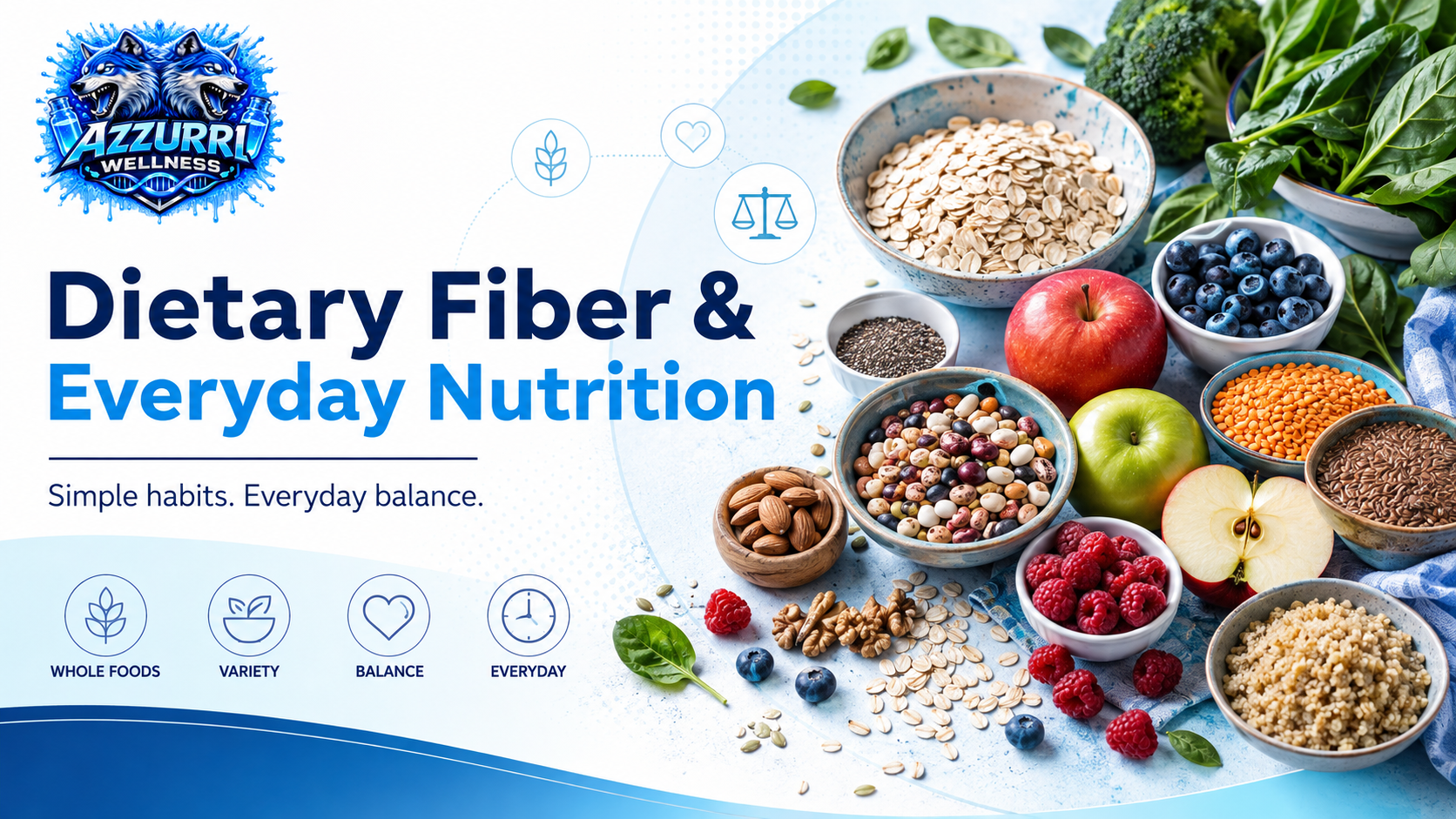
Dietary fiber is a type of carbohydrate found naturally in plant foods. Unlike many other carbohydrates, fiber is not fully broken down during digestion.
Naturally Occurring Sources Include
- Vegetables
- Fruits
- Whole grains
- Beans and lentils
- Nuts
- Seeds
Fiber can be included as part of a varied everyday eating pattern through simple food choices.
Why Variety Matters
It can be easy to focus on a single food, but balanced nutrition is usually built through variety.
Different plant foods provide different combinations of nutrients and naturally occurring compounds.
A Simple Variety Approach
- Rotate apples, berries, pears, and oranges
- Include broccoli, carrots, peas, and leafy vegetables
- Try oats, brown rice, whole-grain bread, and barley
- Use chickpeas, lentils, kidney beans, and black beans
- Rotate nuts and seeds throughout the week
There is no need to rely on one particular fruit, vegetable, grain, or plant food.
Whole Foods Make Fiber Easier
One practical way to include more fiber is to build meals around foods that naturally contain it.
Breakfast Ideas
- Oatmeal with berries
- Whole-grain toast with fruit
- Yogurt with nuts and fruit
- Whole-grain cereal with sliced banana
Lunch Ideas
- Whole-grain sandwich with vegetables
- Lentil or bean-based bowl
- Salad with chickpeas
- Brown rice with vegetables
Dinner Ideas
- Vegetables alongside a regular meal
- Beans or lentils as a side
- Whole grains instead of refined grains
- Fruit as part of a balanced dessert option
The goal is not perfection. It is simply creating more opportunities for plant foods to appear throughout the day.
Reading The Nutrition Facts Label
The Nutrition Facts label can help when comparing packaged foods.
A Simple Label Check
- Dietary fiber per serving
- Serving size
- Added sugars
- Sodium
- Overall ingredient list
Comparing similar products can make everyday food choices easier and more informed.
Increase Variety Gradually
Making major changes overnight is rarely necessary.
If your current routine includes only a few fiber-rich foods, gradually adding more variety may be easier to maintain.
Simple Changes Can Include
- Add one piece of fruit to breakfast
- Include vegetables with lunch
- Replace one refined-grain food with a whole-grain option
- Add beans to one meal during the week
- Keep nuts or fruit available for convenient snacks
Fiber And Fluids Work Together
Food choices do not exist in isolation.
When adding more fiber-rich foods to a routine, regular fluid intake remains part of the overall picture.
A Balanced Routine Can Include
- Balanced meals
- Regular hydration
- Food variety
- Consistent daily habits
The goal is to keep the routine simple and practical.
Make It Practical
A wellness routine works best when it fits real life.
You do not need a completely different menu every day.
Easy Ways To Add Variety
- Buy two different fruits each week
- Keep frozen vegetables available
- Add beans to salads or bowls
- Choose whole grains more often
- Rotate nuts and seeds
- Try one new vegetable each week
Small changes are usually easier to repeat than extreme ones.
Final Thoughts
Dietary fiber and everyday nutrition can be approached through simple food variety rather than complicated rules.
Fruits, vegetables, whole grains, legumes, nuts, and seeds provide practical ways to bring more fiber-rich foods into everyday meals.
Choose variety. Build balanced meals. Make small changes you can repeat.